
 Skip to content


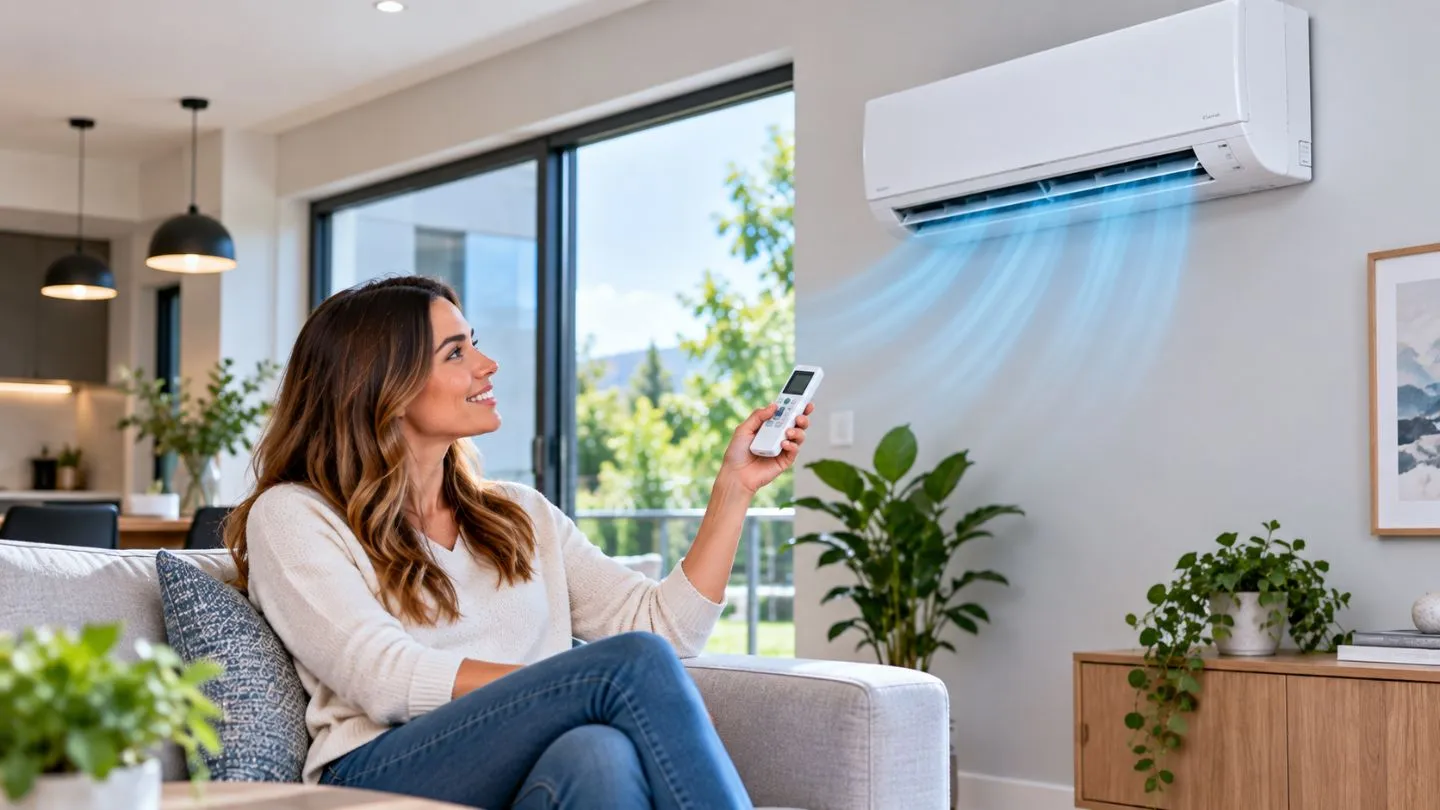
If you’ve been dealing with rooms that never seem to reach a comfortable temperature-or watching your energy bills climb while your central air conditioning struggles to keep up-a ductless mini split AC might be exactly the solution your home needs. These versatile systems deliver conditioned air directly where you need it, bypassing the ductwork that causes so many efficiency problems in traditional HVAC systems. Whether you’re cooling a single sunroom addition or upgrading your entire home’s comfort, this blog covers everything you need to know: how mini split systems work, how to size them correctly, which features matter most, and what to expect during professional installation in the Port Charlotte area.
Key Takeaways
- Ductless mini splits eliminate the significant energy losses associated with ductwork while providing precise temperature control for individual rooms.
- Proper BTU sizing based on room dimensions, insulation quality, ceiling height, and usage patterns prevents short-cycling and ensures efficient operation.
- Modern mini splits with heat pump functionality offer both heating and cooling with high SEER2 ratings for optimal energy efficiency.
- Professional installation protects your manufacturer warranty and ensures the system performs at its best in Florida’s demanding climate.
- Multi-zone systems provide independent control for different areas of your home while using a single outdoor unit.
Understanding Ductless Mini Split Systems
A ductless mini split system works on a straightforward principle: an outdoor compressor unit connects to one or more indoor air handlers through a small refrigerant line, delivering cooling and heating without any ductwork whatsoever. The outdoor unit compresses refrigerant and sends it to the indoor unit, which absorbs heat from your room and pushes cooled, dehumidified air back into the space. For heating, the process simply reverses-the system extracts heat from outside air and moves it indoors.
This design eliminates the energy losses that plague traditional central air systems. For homeowners looking for greater comfort and efficiency, understanding how ductless air conditioners enhance home comfort can help explain why these systems are becoming a practical option for many homes. In many Florida homes, ductwork runs through unconditioned spaces like attics where temperatures soar, causing your cooled air to warm up before it ever reaches your rooms. Mini-splits eliminate those losses entirely, making them remarkably energy efficient for our climate.
Compared to window units, a mini split air conditioner offers dramatically better efficiency, quieter operation-with some models operating at sound levels as low as 19 dB-and far superior aesthetics. When deciding between ductless and traditional systems, comparing the advantages, installation requirements, and comfort benefits can help homeowners choose between ductless AC vs. central AC. Unlike window units that block natural light and create security concerns, ductless mini splits mount cleanly on your wall with minimal visual impact.
For Port Charlotte homeowners, a mini split heat pump provides year-round comfort. Most mini-splits are heat pumps providing both heating and cooling, which means you get full climate control from a single system. During our long cooling season, the unit works as a high-efficiency air conditioner. On those occasional chilly winter mornings, it switches seamlessly to heating mode.
Key Components and How They Connect
A mini split system consists of an outdoor unit and indoor units connected by a small bundle that typically includes the refrigerant line, a power cable, and a condensate drain. Here’s what each component does:
- Outdoor compressor unit: Houses the compressor and condenser coil. This is where refrigerant is compressed and heat is exchanged with the outside air. The outdoor unit needs adequate clearance for airflow and should be mounted on a stable, level surface.
- Indoor air handler: The wall-mounted indoor unit contains the evaporator coil, blower fan, filters, and control electronics. It pulls warm room air across the cold coil, cools and dehumidifies it, and distributes conditioned air back into the space.
- Refrigerant lines: Insulated copper tubing connects the outdoor and indoor components. These lines must be properly sized, connected, and sealed to maintain system efficiency.
- Control systems: Most units come with a remote control, and many modern mini splits include Wi-Fi connectivity for smartphone control, scheduling, and smart home integration.
For the indoor unit, wall mounting requires a sturdy surface capable of supporting the unit’s weight, plus adequate space above and below for proper airflow circulation. Electrically, each system requires a dedicated circuit from your electrical panel. The condensate drainage must slope uniformly downward per Florida Building Code requirements, ensuring moisture is properly carried away from the unit-an especially important consideration given our high humidity environment.
Determining Your Mini Split Requirements

Choosing the right mini split starts with understanding your space and how you use it. A proper load calculation considers multiple factors beyond just square footage-including insulation quality, sun exposure, ceiling height, and the room’s orientation. As a general guideline, you can estimate your cooling capacity needs by evaluating the room’s square footage alongside these variables, but the most accurate approach is always a professional load calculation.
Here’s a general framework for sizing:
- Small rooms (roughly 300–400 sq. ft.): A 9,000 BTU unit typically provides adequate coverage.
- Medium rooms (roughly 350–550 sq. ft.): A 12,000 BTU unit is often the right fit.
- Larger spaces: Units range upward to 24,000 BTU and beyond for open floor plans or spaces with high cooling demands.
However, sizing is determined by room characteristics and insulation, not square footage alone. Single zone systems consist of one outdoor and one indoor unit, making them ideal for targeted applications like a sunroom, converted garage, or a specific room that your central systems can’t adequately reach. Ductless systems are also a practical choice for expanding living space, making them well suited for room additions where extending existing ductwork may be difficult or impractical. They’re the most straightforward and cost-effective option.
Multi-zone systems can connect one outdoor unit to multiple indoor units, giving you independent temperature control across different areas of your home. This is perfect for homes where occupants have different comfort preferences or where certain rooms are used at different times. You only cool or heat the spaces you’re actually using, which can significantly lower your energy bills. This zone-based approach is one of the key benefits of ductless air conditioning systems for homeowners seeking greater control over individual spaces.
For Florida applications, cooling-only mini-splits are ideal for warm climates or specific applications where heating isn’t needed. However, most homeowners in Port Charlotte benefit from heat pump models that handle both heating and cooling, especially for occasional cold snaps. Higher HSPF ratings ensure efficient heating in winter, and a base pan heater can assist with cold-climate performance if temperatures ever dip to extreme cold levels.
Read More: How Does a Heat Pump Work in Winter? Explained for Cold Weather Efficiency
Essential Features and Efficiency Ratings
Not all mini splits are created equal, and the features you choose will directly impact your comfort, energy bills, and long-term satisfaction. Here’s what to evaluate:
SEER2 Ratings
SEER2 ratings measure cooling efficiency—higher numbers mean lower electricity costs. While Florida code sets minimum SEER2 requirements for all new installations, it is wise to look for SEER ratings well above the baseline for your primary cooling zones. SEER2 ratings at the higher end of the scale indicate excellent energy efficiency, and the energy savings compound over the many months of cooling needed in Southwest Florida. Additionally, Energy Star certified models may qualify for local utility rebates or tax credits, adding further value to your investment.
Inverter Compressor Technology
Inverter compressor technology separates modern mini splits from older, less efficient equipment. Instead of cycling fully on and off, the compressor adjusts its speed continuously to match the exact cooling or heating demand. This results in energy savings, steadier temperatures, elimination of temperature swings common in traditional systems, and quieter operation. This technology can deliver impressive energy savings on your monthly bills.
Smart Features and Wi-Fi Connectivity
Many mini split systems now include smart features and Wi-Fi connectivity, allowing you to control your system from anywhere using a smartphone app. You can set schedules, adjust temperatures remotely, and monitor energy usage. Many units also integrate with popular smart home platforms, adding convenience and helping improve comfort while reducing energy waste.
Air Quality and Filtration
Indoor air quality and filtration are especially important in Florida’s humid environment. Mini splits offer different filter types—from standard MERV-rated filters to electrostatic and washable options—that provide varying levels of indoor air quality protection. Most units include accessible, washable filters that are easy to maintain. Some models add photocatalytic or antimicrobial features to help combat mold and mildew, which is particularly valuable in humid climates.
Quiet Operation
Mini splits are known for their quiet operation. Many models produce barely perceptible noise levels during normal use, making them ideal for bedrooms, home offices, and living areas where silence is important.
Low-Ambient Heating Capability
Even in mild Florida winters, occasional cold fronts can bring temperatures low enough that reliable heating is appreciated. Reviewing a specific model’s rated heating performance at lower outdoor temperatures ensures it maintains adequate capacity when you need it. This low-ambient heating capability is an important consideration for year-round comfort.
Installation Considerations and Professional Service
How your mini split is installed matters just as much as which model you choose. Improper installation can void manufacturer warranty and reduces efficiency, turning what should be a long-lasting comfort investment into a source of ongoing problems.
Why professional installation matters
Seven mini-split models require professional installation, and even among three mini-split models designed for DIY installation, technical skills and specialized tools are essential. DIY mini-split kits simplify installation but require technical skills including proper refrigerant handling, vacuum procedures, and electrical work. While DIY installation might seem appealing for cost savings, the risks are significant in Florida’s climate—improperly sealed penetrations can lead to moisture intrusion, and incorrect refrigerant charges reduce efficiency and can damage the compressor.
Permits and code compliance
Permits and code compliance in Port Charlotte require attention. Florida mandates licensed mechanical contractors for installing ductless systems. Electrical permits are typically required because each outdoor compressor needs a dedicated circuit. Local building codes also specify requirements for condensate drainage, penetration sealing, and equipment placement. A qualified installation team handles all permitting and ensures full code compliance.
The installation process
The installation process generally includes:
- Selecting optimal placement for both the indoor unit and outdoor unit based on airflow, aesthetics, and structural considerations.
- Mounting the indoor air handler on the wall and securing the outdoor compressor on a level pad.
- Drilling a small penetration through the wall for the refrigerant line, power cable, and condensate drain.
- Connecting and pressure-testing the refrigerant lines, then performing a proper vacuum to remove moisture and air.
- Completing all electrical work and ensuring the dedicated circuit meets code requirements.
- Testing the entire system for proper operation, airflow, and drainage.
Coastal considerations
Coastal considerations for Port Charlotte and surrounding Southwest Florida areas include protecting outdoor equipment from salt air corrosion. Look for units with corrosion-resistant coatings, and consider line set covers to protect exposed components from the marine environment.
Ongoing maintenance
Ongoing maintenance keeps your system running at peak performance. Clean the internal pre-filter every two to four weeks—a dirty filter restricts airflow and reduces efficiency. Keep the condensate drain line clear for optimal performance to prevent water backup and potential damage. Mini-split maintenance is best done by an HVAC technician who can inspect refrigerant levels, clean coils, check electrical connections, and verify the system is working correctly. Neglecting maintenance can void the efficiency warranty and shorten your system’s lifespan. With proper care, a mini-split system can last many years of reliable service.
Read More: The Ultimate Guide to HVAC Maintenance: How to Keep Your System Running Efficiently
Making the Right Ductless AC Investment

Choosing the right ductless mini split AC requires considering factors such as system size, energy efficiency, zoning needs, installation requirements, and long-term operating costs. Evaluating these factors carefully helps homeowners select a system that provides reliable cooling, improves comfort, and delivers efficient performance for years to come.
Total Comfort Cooling & Heating provides dependable HVAC solutions tailored to homeowners’ comfort needs. With our expertise in ductless AC in Port Charlotte, we help customers choose and maintain efficient cooling systems. We also provide air-conditioners, furnaces, and heat-pumps. Contact us today for professional guidance and reliable HVAC solutions.
Frequently Asked Questions
What size mini split do I need for my Port Charlotte home?
The right size depends on much more than just square footage. Factors like insulation quality, sun exposure, ceiling height, room orientation, and how the space is used all play a role. For example, rooms with large west-facing windows or high ceilings need more cooling capacity than similarly sized rooms without those characteristics. The best approach is a professional load calculation that accounts for all these variables to ensure your system is properly sized for peak performance.
How much does professional mini split installation cost in Florida?
Professional installation costs vary based on the complexity of the project, including the number of zones, length of refrigerant line runs, electrical work required, and any building modifications needed. Single-zone installations are the most affordable, while multi-zone systems with multiple indoor units and longer line runs cost more. Your total investment includes equipment, labor, permits, and any necessary electrical upgrades. We recommend getting a detailed quote that covers every aspect of the installation so there are no surprises.
Can a mini split provide both heating and cooling in Port Charlotte’s climate?
Yes. Most mini-splits are heat pumps providing both heating and cooling, making them ideal for Port Charlotte’s long cooling season and mild winters. The system simply reverses its refrigerant cycle to extract heat from outdoor air and deliver it inside. While extreme cold conditions can reduce heating capacity, Port Charlotte rarely experiences temperatures low enough to pose a concern. For added peace of mind, some models include features like a base pan heater that assists with performance during rare cold snaps.
How often should I clean my mini split filters for optimal performance?
You should clean the internal pre-filter every two to four weeks for optimal performance. A dirty filter restricts airflow and reduces efficiency, forcing the system to work harder and potentially affecting indoor air quality. Most indoor units have easily accessible, washable filters that take just minutes to rinse and dry. Beyond regular filter cleaning, schedule professional maintenance at least annually to have the coils, drainage, electrical connections, and refrigerant levels inspected by a qualified technician.
What SEER2 rating should I look for in a mini split system?
While Florida code sets minimum SEER2 requirements for all new installations, we recommend looking for ratings well above the baseline for any space that serves as a primary cooling zone. Higher-rated systems cost more upfront but deliver meaningful savings on electricity costs over the many cooling months we experience in Southwest Florida. Pair high SEER2 ratings with inverter compressor technology for the best combination of efficiency and comfort.
Do I need permits to install a mini split in Port Charlotte?
Yes. Florida requires permits for mini split installations, including both mechanical and typically electrical permits since each system needs a dedicated circuit. The installation must be performed by a licensed contractor and comply with the Florida Building Code, which covers everything from condensate drain slope and size to proper sealing of wall penetrations. Working with a professional team like Total Comfort Cooling & Heating ensures all permits are pulled and inspections are passed, keeping your installation fully compliant with local building codes.
