
 Skip to content


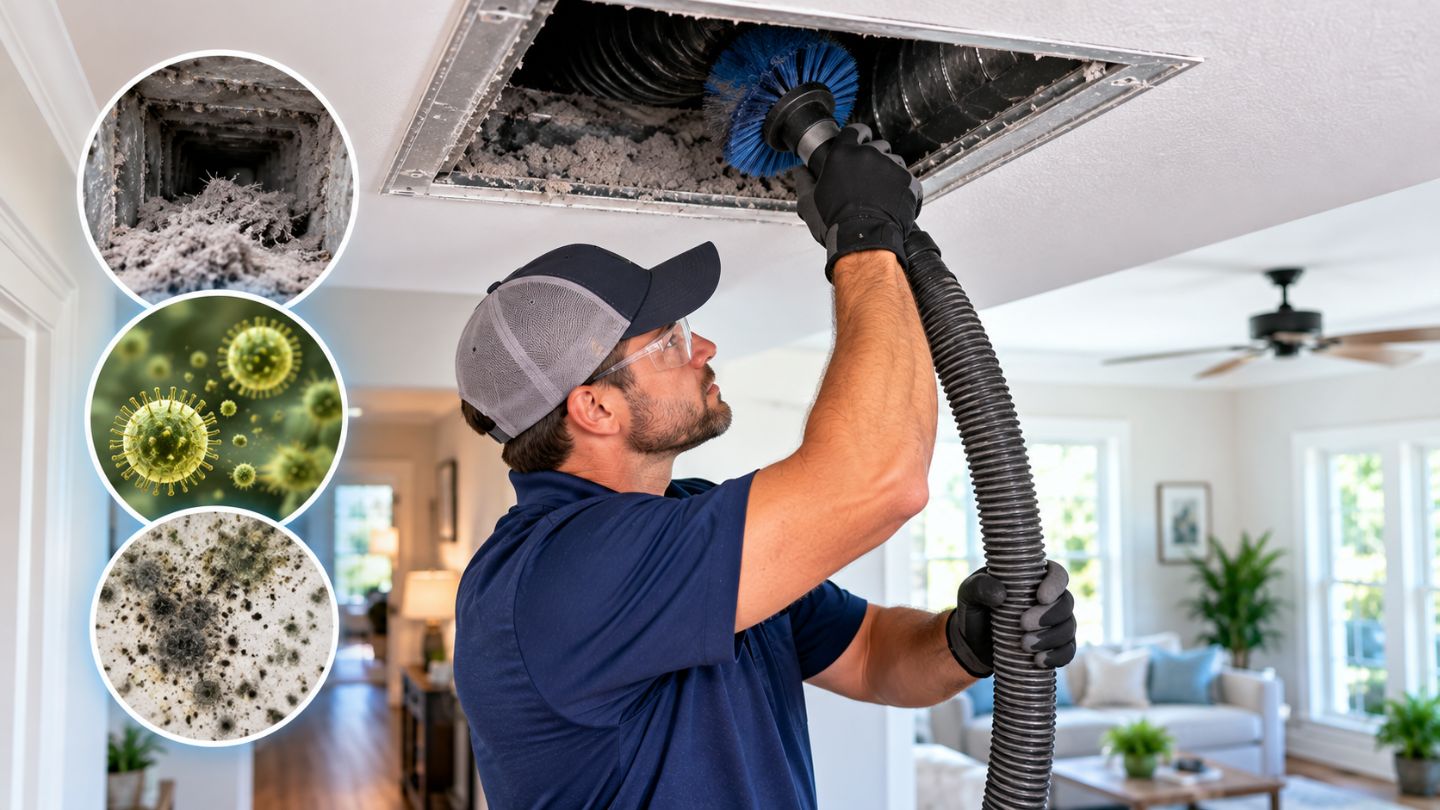
Most homeowners never see the inside of their ductwork – and that’s exactly where problems silently multiply. Behind your walls and above your ceilings, air ducts can harbor layers of dust, mold colonies, pest droppings, and moisture damage that directly affect the air your family breathes every single day. If you’ve ever wondered what happens if you don’t clean your air ducts, the consequences range from declining health and skyrocketing energy bills to genuine fire hazards.
In Port Charlotte’s humid subtropical climate, these risks accelerate. Moisture-laden air feeds mold growth, porous duct materials trap contaminants, and your HVAC system strains under the burden of restricted airflow. This blog breaks down the top dangers of neglected ductwork and delivers proven solutions to protect your home, your health, and your comfort.
Key Takeaways
- Dirty air ducts circulate allergens, mold spores, and bacteria through your living space, creating serious health hazards for household members – especially children, elderly residents, and anyone with respiratory conditions.
- Neglected ductwork forces your HVAC system to consume more energy, driving up cooling costs and heating expenses.
- Dust accumulation in air ducts poses fire risks, particularly near furnace heating elements and electrical components.
- Professional cleaning combined with preventive maintenance protects indoor air quality, extends equipment life, and keeps your home safe.
Serious Health Risks from Dirty Air Ducts
When air ducts go uncleaned, they become reservoirs of contaminants that your HVAC system circulates throughout every room. Dust, pet dander, dust mites, bacteria, and other allergens accumulate on duct surfaces over time. Each time your air conditioner or furnace cycles on, those particles become airborne – turning your home’s ventilation into a delivery system for indoor air pollution.
Dirty air ducts can harbor allergens and pollutants that trigger a cascade of health problems. Household members may experience persistent coughing, sneezing, headaches, and throat irritation. For people with asthma or chronic respiratory conditions, contaminated air ducts can worsen allergy symptoms and provoke dangerous flare-ups. Dust and mold in ducts can cause coughing and sneezing even in otherwise healthy adults.
The risks grow considerably for vulnerable populations. Children’s developing lungs are more susceptible to particulate matter. Elderly residents and immunocompromised individuals face elevated danger from airborne biological contaminants. Indoor air pollution from dirty ducts can exceed outdoor levels, which means spending time indoors doesn’t necessarily mean breathing cleaner air. Research has documented cases where contaminated duct systems in medical facilities contributed to serious fungal infections in high-risk patients – a stark reminder that indoor air quality directly impacts health outcomes.
Mold Growth and Spore Circulation
Florida’s persistent humidity makes duct systems a prime breeding ground for mold. Moisture entering ductwork – whether from condensation, improperly draining condensate pans, or poor insulation in unconditioned attic spaces – can lead to mold and mildew growth inside the system. Once mold establishes on duct surfaces, spores travel through your supply and return registers into every room.
Substantial visible mold growth inside ductwork is one of the clearest signals that immediate cleaning is necessary. Duct cleaning can help remove certain mold contamination, but the appropriate approach depends on the extent of the growth and the type of duct material involved. Mold growth in dirty ducts can trigger respiratory issues including sinus infections, chronic coughing, and allergic reactions. A documented case study of a water-damaged home found that mold in return air ducts correlated directly with occupant complaints of sinus problems, persistent cough, and strong musty odors that worsened whenever the HVAC system ran.
Porous duct materials like fiberglass liners present a particular challenge. Unlike metal ducts where mold contamination on surfaces can be addressed through thorough cleaning, porous materials that become wet and moldy often cannot be fully remediated and may require complete replacement. Maintaining indoor humidity levels between 30% and 50% can prevent mold growth inside ducts – a critical consideration for preventing mold in HVAC systems throughout Southwest Florida.
HVAC System Efficiency Problems and Rising Energy Costs

Your HVAC system’s efficiency depends on unobstructed airflow. When dust, debris, and biological contaminants coat the interior of your duct system, they narrow the effective airflow path and increase static pressure – the resistance your blower motor must overcome to push conditioned air through your home.
Heavy accumulation of debris can reduce HVAC efficiency and increase energy bills. HVAC systems work harder with clogged air ducts, which means your cooling system and entire heating setup run longer cycles to reach your thermostat setting. This translates directly into higher monthly energy bills. Dirty ducts can lead to higher energy bills simply because the system demands more energy to deliver the same comfort. Regular air duct maintenance can help keep airflow unobstructed and reduce the extra energy consumption caused by restricted ductwork.
The problem extends beyond the ducts themselves. Dust that bypasses filters settles on cooling coils and heat exchangers, reducing thermal transfer. Cleaning cooling coils can improve HVAC efficiency, but when coils remain dirty, they force compressors and fan motors into extended operation. Research evaluating HVAC component cleaning across multiple buildings found that addressing dirty fans, coils, and ducts yielded substantial reductions in blower energy consumption and meaningful improvements in overall airflow.
High energy bills can signal clogged air ducts, especially when your usage pattern hasn’t changed but costs keep climbing. Poor airflow from vents suggests duct blockages that deserve professional investigation. If you’re noticing rising energy costs, your ductwork may be part of the problem.
Read More: The Ultimate Guide to HVAC Maintenance: How to Keep Your System Running Efficiently
Fire Hazards and Safety Concerns
One of the most overlooked dangers of neglected ductwork is the risk of fire. Dust accumulation in air ducts can ignite from sparks or excessive heat generated by nearby components. Fire hazards increase near furnace heating elements due to dust, and the combination of accumulated lint, organic debris, and proximity to ignition sources creates a genuinely dangerous situation.
Excessive dust in ducts can become a fire hazard – particularly in homes with aging heating equipment where electrical components or heating elements may produce sufficient heat to ignite nearby combustible material. Fire safety studies confirm that grease, soot, dirt, and flammable lint contribute to duct-related fire spread incidents. While residential fires from ductwork contamination are less common than commercial or industrial incidents, the underlying mechanism is the same: combustible material plus a heat source.
Regular air duct cleaning minimizes fire risks in homes. Air duct cleaning can reduce fire hazards from dust accumulation by removing the fuel source before it ever encounters ignition conditions. This is especially important in homes where the furnace and heating system haven’t been serviced recently. A thorough cleaning of ductwork, combined with inspection of nearby electrical and heating components, is a straightforward safety measure that protects your family and property.
Pest Infestations and Unpleasant Odors
Dark, dusty, and sometimes humid ductwork provides ideal shelter for unwanted guests. Neglected ducts can become nesting grounds for pests, leading to contamination. Rodents, insects, and other creatures seek out undisturbed spaces – and once they establish themselves inside your duct system, their droppings, shed skin, and nesting materials become additional sources of allergens and biological hazards.
Pest infestations create a compounding problem. Droppings and debris from rodents and insects circulate through your living space every time the HVAC unit operates. These contaminants mix with existing household dust, pet hair, and other particles to further degrade indoor air quality. Pest activity can also physically damage ductwork – gnawing through flexible duct materials, creating leaks that reduce system efficiency and allow outside air and contaminants to infiltrate the system.
Unpleasant odors in a home can be caused by moisture, mold, or accumulated organic matter in ducts. Persistent musty or stale smells that intensify when your air conditioner or heating system kicks on often point directly to duct contamination. Cooking grease residue, pet dander, mildew, and even chemical or smoke residue can off-gas from ducts following incidents like fires or water damage. If odors persist despite cleaning your home’s surfaces, your ductwork likely needs professional attention. Understanding how excess moisture creates air quality issues can help address the root causes of these problems.
Equipment Damage and Premature System Failure

Beyond comfort and safety, dirty ducts directly shorten your HVAC equipment’s lifespan. Excessive buildup of debris can strain HVAC components and shorten system lifespan. When your blower motor works against elevated static pressure caused by contaminated ductwork, it draws more power, runs hotter, and experiences accelerated wear. The same applies to fan motors, compressors, and other mechanical components throughout your cooling system and heating setup.
Dirty air ducts increase HVAC energy consumption, but the damage goes beyond your monthly bill. Components operating under constant strain are far more likely to fail prematurely. Motors burn out. Cooling coils lose efficiency. Heat exchangers endure unnecessary thermal stress. What begins as a duct cleaning issue can escalate into expensive emergency repairs or complete system replacement. Delaying necessary repairs can allow minor air conditioning problems to worsen, increasing the likelihood of more extensive damage and higher repair costs.
Cleaning ducts can extend HVAC system life significantly – keeping components running within their designed operating parameters rather than forcing them to compensate for contamination and restricted airflow. Sealing duct joints can prevent outside contaminants from entering HVAC systems, further reducing the load on filters and system components. Regular maintenance that includes comprehensive HVAC inspections and duct assessment is the most cost-effective way to protect your investment in home comfort equipment.
Read More: Tips to Extend the Life of Your HVAC System
Proven Solutions for Clean, Healthy Air Ducts
Periodic duct cleaning is recommended when there is substantial contamination or visible mold. The EPA advises an “as needed” approach: clean air ducts when you observe visible debris, substantial visible mold growth, pest evidence, or persistent odors – rather than on a rigid calendar. However, air ducts should be cleaned every few years for efficiency, and homes in humid climates like Port Charlotte benefit from more frequent inspections.
Professional duct cleaning services use specialized vacuum equipment, soft-bristled brushes, rotary tools, and compressed-air techniques to dislodge and extract contaminants from the entire duct system. Different methods offer varying effectiveness – air sweep approaches have shown strong results for reducing bioaerosols, while mechanical brushing physically removes stubborn deposits from duct surfaces. A proper thorough cleaning addresses not just the ducts themselves but also supply and return registers, cooling coils, fans, and drain pans.
Before scheduling any service, ask service providers to show evidence of contamination before cleaning. Visible dust clouds, mold contamination, or restricted airflow should be documented. Hire certified professionals for air duct cleaning services – technicians who follow industry standards and can clearly explain what they find and what they recommend.
Protecting Your Home’s Air Quality

Regular air duct cleaning plays an important role in maintaining healthy airflow, improving HVAC efficiency, and preventing issues caused by accumulated dust, allergens, and debris. Addressing neglected ductwork helps homeowners protect indoor comfort, support better system performance, and reduce potential problems associated with poor air circulation over time.
Total Comfort Cooling & Heating helps homeowners maintain cleaner, more efficient HVAC systems with reliable solutions. Our expertise in air duct maintenance in Manasota ensures professional care for improved airflow and comfort. We also provide air conditioner repair and installation, ductless systems, furnaces, and indoor air quality solutions. Contact us today to keep your HVAC system performing at its best.
Frequently Asked Questions
How often should air ducts be professionally cleaned in Florida’s humid climate?
In Florida’s moisture-rich environment, having your air ducts professionally cleaned on a regular schedule – and inspected at least annually – is a smart approach. The EPA recommends cleaning when specific conditions arise: visible mold, pest evidence, significant dust accumulation, or persistent odors. Because Port Charlotte’s humidity accelerates moisture buildup and mold risk, local homeowners often benefit from more frequent professional assessment than residents in drier climates. Routine inspections help catch problems before they require extensive remediation.
What are the warning signs that my air ducts need immediate cleaning?
Several indicators signal that your ducts need attention. Visible dust clouds when the system starts, dust buildup around vents, mold growth inside ducts, and visible debris at supply and return registers are all clear signs. Poor airflow from vents suggests duct blockages, while high energy bills can signal clogged air ducts working your system harder than necessary. Persistent musty odors, evidence of pests, and worsening allergy symptoms among household members also warrant prompt inspection.
Can dirty air ducts actually make my family sick?
Yes. Dust, pet dander, and other allergens can accumulate in ducts, circulating in the air your family breathes. Contaminated air ducts can worsen allergy symptoms, trigger asthma attacks, and cause respiratory irritation including coughing, sneezing, and sinus issues. Mold growth in dirty ducts can trigger respiratory issues that are particularly concerning for children, elderly residents, and anyone with compromised immune systems. Documented cases show occupants of homes with moldy ductwork experiencing significant health improvements after proper remediation.
Will cleaning my air ducts really lower my energy bills?
Dirty air ducts increase HVAC energy consumption by restricting airflow and forcing your system to work harder. When ducts, coils, and fans are cleaned, airflow improves and your HVAC unit operates closer to its designed efficiency. Research across multiple buildings has demonstrated meaningful reductions in fan and blower energy use after comprehensive cleaning. While results vary based on the severity of contamination, most homeowners with noticeably dirty ducts experience measurable relief on their energy bills after professional cleaning.
How do I choose a reliable air duct cleaning service in Port Charlotte?
Hire certified professionals for air duct cleaning services and verify that they hold any state licenses required for duct cleaning in your area. Get written estimates from at least three service providers before committing. Avoid companies making unsubstantiated health claims about duct cleaning or offering suspiciously low prices. A trustworthy duct cleaning service provider will inspect your system first, document any contamination, explain recommended procedures, and follow industry standards.
Is air duct cleaning safe for older homes with existing ductwork?
Professional air duct cleaning is safe for older homes when performed by experienced technicians who assess the condition of your ductwork before beginning. Older metal ducts typically respond well to standard cleaning methods using vacuum equipment and soft bristled brushes. However, aging flexible ducts or deteriorated fiberglass-lined systems may require repair or replacement rather than cleaning alone. A qualified service provider will evaluate your duct system’s integrity, identify any access ports or sections needing special care, and recommend the safest approach for your specific home.
