

What Are the Most Common Types of Indoor Air Pollutants?
Indoor air pollution is a growing concern that can significantly impact health and well-being. Many people are unaware of the common pollutants lurking inside their homes and workplaces. From particulate matter to harmful gases like carbon monoxide and nitrogen dioxide, poor air quality can lead to serious health issues. Biological pollutants, tobacco smoke, and radon are also major contributors to indoor air contamination. In this blog, we’ll explore the most common indoor air pollutants and how understanding them can help improve the air you breathe.
Key Takeaways
- Indoor air quality is impacted by common pollutants such as particulate matter, VOCs, carbon monoxide, and biological agents, which originate from everyday activities and materials.
- Poor indoor air quality can lead to immediate health effects like irritation and headaches, as well as long-term issues including respiratory diseases and cancer.
- Improving indoor air quality requires strategies like using HEPA filters, ensuring proper ventilation, and selecting low-emitting materials to reduce harmful pollutants.
Understanding Indoor Air Quality
Indoor air quality is a critical concern that affects our health and comfort. Common indoor air pollutants include biological agents, carbon monoxide, particulate matter, nitrogen dioxide, and common pollutants such as volatile organic compounds. These pollutants originate from various sources such as combustion appliances, tobacco products, and building materials. Everyday activities like cooking, smoking, and using household cleaners contribute significantly to indoor air pollution.
The health effects of poor indoor air quality can be immediate or long-term. Immediate effects include eye, nose, and throat irritation, headaches, and fatigue. Over time, exposure to indoor pollutants can lead to respiratory issues, cardiovascular diseases, serious health effects, health problems, and even cancer. The impact of these pollutants on human health underscores the importance of maintaining good indoor air quality.
Factors affecting indoor air quality include:
- air exchange rate
- Occupant behavior
- Energy-efficient building designs, which can inadvertently increase indoor pollutant levels if not properly ventilated
- Outdoor air pollution seeps indoors through various openings, contributing to overall pollutant levels
Understanding the types of indoor air pollutants and their sources is the first step toward improving indoor air quality. Let’s explore each major pollutant in detail to understand its impact and how we can mitigate its presence in our homes and workplaces.
Impact of Indoor Air Quality on Health

Indoor air quality describes the state of air found inside buildings. It significantly affects the health and comfort of the people who occupy those spaces. The World Health Organization reports that indoor air pollution causes millions of deaths each year, highlighting its severe impact on human health. This issue is of particular concern as we spend the majority of our time indoors, whether at home, work, or other enclosed spaces.
Various activities contribute to the causes of indoor air pollution, including:
- Cooking
- Smoking
- Using electronic machines
- Emission of pollutants from building materials, which are significant sources of indoor air.
These activities release harmful substances into the air, leading to health issues such as sick building syndrome (SBS) and building-related illness (BRI). Understanding the importance of indoor air quality and how to improve it is essential to creating a healthier living environment. Addressing poor indoor air quality is essential to ensure a healthy living environment.
Improving indoor air quality requires a comprehensive approach that includes identifying the sources of pollution, understanding their effects, and implementing effective strategies to mitigate them. We will now examine the most common indoor air pollutants and their impact on our health and comfort.
Particulate Matter (PM)
Particulate matter (PM), including fine particulate matter, is a significant indoor air pollutant comprising tiny particles suspended in the air. These particles can include dust, dirt, soot, and smoke, and they originate from various sources such as cooking, smoking, and the use of combustion appliances like gas stoves and heaters. PM can also come from natural sources like pet dander and house dust mites.
Exposure to particulate matter can lead to a range of health issues, including respiratory problems, cardiovascular diseases, and even lung cancer. Immediate effects of PM exposure include eye, nose, and throat irritation, as well as headaches and fatigue. The microscopic size of PM allows it to penetrate deep into the lungs, causing severe health consequences over time.
Indoor levels of particulate matter can be significantly higher than outdoor levels due to the concentration of pollutants in enclosed spaces. Factors such as air exchange rates and occupant behavior, including activities like cooking and smoking, greatly influence indoor PM levels. Energy-efficient building designs can also exacerbate the issue by trapping pollutants indoors if not properly ventilated.
Total Comfort Cooling & Heating emphasizes that understanding the sources and health effects of particulate matter is crucial for improving indoor air quality. Using air purifiers with HEPA filters and ensuring proper ventilation can help reduce PM levels indoors, creating a healthier living environment.
Volatile Organic Compounds (VOCs)
Volatile Organic Compounds (VOCs) are a group of chemicals that easily evaporate at room temperature, contributing to indoor air pollution. Common sources of VOCs include:
- paints
- cleaning agents
- air fresheners
- solvents
- aerosol sprays. These chemicals are released into the air during the use and storage of these products.
Exposure to VOCs can lead to various health issues, such as headaches, eye irritation, and dizziness. Long-term exposure to certain VOCs is linked to more severe health risks, including liver and kidney damage, and some VOCs are even suspected or known carcinogens. The high concentration of VOCs indoors, often up to ten times higher than outdoor levels, makes them a significant concern for indoor air quality.
Reducing exposure to VOCs involves using low-emitting products, ensuring proper ventilation, and minimizing the use of products that release harmful chemicals. At Total Comfort Cooling & Heating, we emphasize understanding the sources and effects of VOCs so we can take steps to create a healthier indoor environment.
Carbon Monoxide (CO)
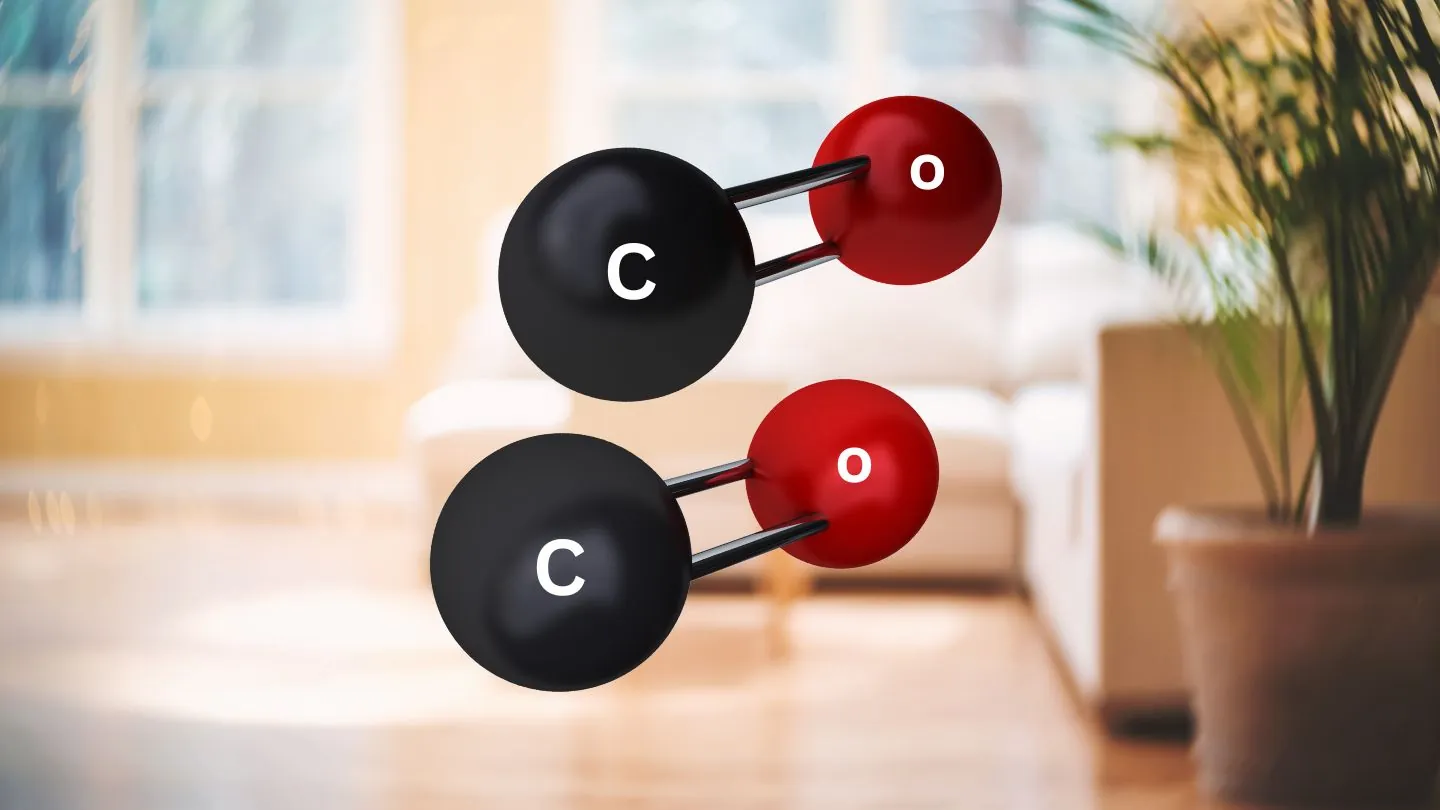
Carbon monoxide (CO) is a colorless, odorless gas that poses serious health risks when inhaled. Common sources of CO indoors include gas stoves, gas space heaters, and other appliances that burn fossil fuels like natural gas, propane, gasoline, and oil. Inadequate ventilation and improper maintenance of these appliances can lead to dangerous levels of CO accumulation.
The health effects of carbon monoxide exposure range from mild symptoms like headaches and dizziness to severe outcomes such as respiratory infections and heart disease. In extreme cases, high levels of CO can be fatal. Regular maintenance of heating systems and installing CO alarms can help prevent CO poisoning.
Understanding the sources and risks of carbon monoxide is critical for maintaining a safe indoor environment. At Total Comfort Cooling & Heating, we emphasize that preventive measures can shield us and our families from the dangers of CO exposure.
Nitrogen Dioxide (NO2)
Nitrogen dioxide (NO2) is a harmful indoor air pollutant commonly produced by gas stoves and heaters. Indoor levels of NO2 can be significantly higher than outdoor levels when these appliances are in use. Prolonged exposure to high concentrations of NO2 can irritate the respiratory system and increase vulnerability to respiratory infections, particularly in children.
NO2 exposure adversely affects both specific and nonspecific host defenses, making individuals more susceptible to illnesses. Ensuring proper ventilation and regularly maintaining gas appliances with the help of Total Comfort Cooling & Heating can help reduce indoor NO2 levels and improve indoor air quality. Knowing the sources and health effects of nitrogen dioxide helps create a healthier indoor environment. Proactive steps can reduce NO2 exposure and its related health risks.
Biological Pollutants
Biological pollutants consist of living organisms such as:
- Bacteria
- Viruses
- Molds
- Allergens such as pet dander and house dust mites
These pollutants can thrive in indoor environments with high humidity levels, leading to adverse health effects from indoor contaminants.
Exposure to biological pollutants can trigger allergic reactions, asthma, and respiratory infections. Controlling indoor humidity levels between 30% and 50% can help minimize the growth of these pollutants and improve indoor air quality.
Understanding the types and effects of biological pollutants is crucial for maintaining a healthy indoor environment. At Total Comfort Cooling & Heating, we know that managing humidity levels and maintaining cleanliness can lessen biological contaminants and their health impact.
Tobacco Smoke
Tobacco smoke is a major source of indoor air pollution, containing over 7,000 different chemicals, many of which are harmful. Common sources of cigarette smoke indoors include cigarettes, cigars, and pipes. Inhaling tobacco smoke can lead to chronic obstructive pulmonary disease, cardiovascular diseases, and lung cancer.
Secondhand smoke exposure poses significant health risks to non-smokers, including an increased incidence of respiratory issues and lung cancer. Smoking combined with exposure to radon greatly increases the risk of lung cancer, making it tenfold higher for smokers.
Understanding the composition and health effects of tobacco smoke is essential for improving indoor air quality. Limiting tobacco smoke exposure protects us and others from its harmful effects.
Radon
Radon is a colorless and odorless radioactive gas that originates from the decay of uranium in soil, rock, and water. Long-term exposure to elevated radon levels can lead to lung cancer, with the U.S. EPA estimating around 21,000 deaths annually from radon-related lung cancer. Radon can enter buildings through cracks in foundations, walls, and floors, as well as through openings around pipes and cables.
The EPA recommends the following regarding radon in homes:
- Test homes for radon, especially if levels are unknown, prior to selling, or after repairs that could affect radon levels.
- If radon levels are at or above four picocuries per liter, install a radon mitigation system to reduce exposure.
- Improve ventilation by opening windows and using fans to temporarily reduce radon levels in homes.
Understanding the sources and risks of indoor radon is crucial for maintaining a safe indoor environment. Preventive measures can safeguard us and our families from the dangers of radon exposure.
Strategies to Improve Indoor Air Quality

Improving indoor air quality is essential for maintaining a healthy and comfortable living environment. Effective strategies can significantly reduce levels of indoor air pollutants, promoting better health and well-being. Three key strategies to improve indoor air quality include using HEPA filters, ensuring proper ventilation, and choosing low-emitting materials.
Methods to improve indoor air quality include:
- Using HEPA filters to effectively remove airborne particles and allergens from indoor environments.
- Ensuring proper ventilation to reduce indoor air pollutants by allowing fresh air to replace stale air.
- Choosing low-emitting materials to minimize the release of harmful VOCs, contributing to healthier indoor spaces.
Implementing these strategies leads to a cleaner and safer indoor environment, lowering health risks from poor air quality.
Use HEPA Filters
HEPA filters are designed to capture at least 99.97% of airborne particles of 0.3 microns in size, making them highly effective in improving indoor air quality. Air purifiers equipped with HEPA filters can significantly reduce allergens like dust mites and pet dander in indoor environments.
HEPA filters have a range of applications. They can be found in vacuums, air purifiers, and heating and air conditioning systems. Their ability to eliminate allergens and other airborne particles makes them essential for maintaining a healthy indoor environment.
HEPA filters effectively remove air pollutants, enhancing indoor air quality and lowering the risk of respiratory issues and allergies.
Proper Ventilation
Proper ventilation is crucial for maintaining good indoor air quality. Pollutants can accumulate indoors if ventilation is inadequate, increasing health risks. Ensuring proper ventilation removes polluted indoor air and replaces it with fresh outdoor air.
Outdoor air can enter buildings in several ways. These include infiltration, natural ventilation, and mechanical systems. Natural ventilation methods, such as opening windows, can enhance indoor air quality by allowing fresh air to circulate indoors.
A proper ventilation system effectively lowers indoor air pollutants, fostering a healthier living environment and helping to reduce indoor pollution by effectively removing pollutants and promoting air movement.
Choose Low-Emitting Materials
Choosing low-emitting materials contributes to healthier indoor air by reducing the release of harmful chemicals. Low-emitting materials, such as bamboo and wool carpets, can significantly improve indoor air quality by minimizing exposure to volatile organic compounds (VOCs).
Selecting materials that emit fewer harmful substances helps in constructing healthier indoor spaces and reduces the overall health risks associated with chemical pollutants. Selecting low-emitting materials results in a safer and healthier indoor environment, free from harmful pollutants.
Breathe Easier with Cleaner Indoor Air
Understanding the most common types of indoor air pollutants is the first step toward creating a healthier home environment. From dust, mold, and pet dander to volatile organic compounds and tobacco smoke, these pollutants can impact respiratory health, comfort, and overall well-being. Taking proactive measures to reduce their presence can lead to cleaner, fresher air and improved quality of life for everyone in your home.
At Total Comfort Cooling & Heating, we offer expert solutions to improve indoor air quality in Port Charlotte, helping you safeguard your home against harmful pollutants. Our team can assess your air quality needs, recommend effective systems, and provide ongoing maintenance to ensure your family breathes cleaner, healthier air every day.
Frequently Asked Questions
What are the most common types of indoor air pollutants?
The most common indoor air pollutants are particulate matter, volatile organic compounds, carbon monoxide, nitrogen dioxide, biological pollutants like mold and pet dander, tobacco smoke, and radon. It’s important to monitor these pollutants to maintain a healthy indoor environment.
How can I reduce indoor air pollution in my home?
To effectively reduce indoor air pollution, utilize HEPA filters in air purifiers, ensure proper ventilation, and select low-emitting materials for your home. These steps will significantly improve your indoor air quality.
What are the health risks associated with exposure to VOCs?
Exposure to VOCs poses significant health risks, including headaches, dizziness, and eye irritation, with potential long-term effects such as liver and kidney damage, and in some cases, an increased risk of cancer. It is crucial to limit exposure to protect your health.
Why is proper ventilation important for indoor air quality?
Proper ventilation is essential for maintaining good indoor air quality, as it effectively removes stale, polluted air and replaces it with fresh outdoor air, thereby reducing indoor air contaminants. This ultimately leads to a healthier living environment.
READY FOR YOUR NEXT HEATING OR COOLING PROJECT?
Contact us to get a quote and see why our customer service is recognized as the best in the industry.








 Special Offer: 12 Months - No Interest, No Payments!